In the complex network of industrial fluid control, the valve is the heart of the system. While automation rises, manual valves remain crucial for isolation. However, a persistent "ghost" haunts these components: Valve Stem Sticking. This article analyzes the mechanical mechanisms behind this critical failure mode and provides systemic engineering solutions.

1. Typical Symptoms & Hazards
Valve stem sticking is rarely sudden; it is the culmination of gradual degradation. Symptoms include high torque requirements, "stick-slip" jerky motion, and audible screeching. The consequences extend far beyond maintenance issues:
Process Runaway: Failure of emergency shut-off valves leads to uncontrollable medium leakage.
Structural Damage: Using "cheater bars" to force stuck valves causes stem fracture or thread stripping.
Safety Catastrophes: In high-pressure scenarios, seized safety valves can lead to vessel failure.
"Case in Point: A petrochemical facility reported a boiler overpressure incident caused by a stuck control valve stem in the steam line. The resulting safety valve activation and subsequent downtime resulted in direct economic losses exceeding one million RMB." |
2. Root Cause Analysis & Mechanisms

A. Mechanical Structure Integrity
Thread System Failure: As thread profiles wear, clearance increases, allowing the stem to tilt. Pairing similar materials (e.g., 304 SS stem with 304 nut) leads to galling (cold welding), increasing friction by over 40%.
Stem Straightness: External impact causing a deviation as small as 0.2mm/m can increase resistance by 200% due to binding in the packing gland.
B. Lubrication & Sealing Failure
Lubrication Breakdown: Using standard Lithium grease in high temps leads to carbonization, turning lubricant into abrasive residue.
The "Zero Leakage" Trap: Overtightening the packing gland to stop leaks drastically increases radial friction, effectively clamping the stem in a vice.
C. Medium & Process Conditions
Solid Particle Erosion: Hard particles (slag, rust) dragged into guiding surfaces score the stem.
Thermal Physics: In cryogenic conditions, if the guide shrinks faster than the stem (e.g., Brass guide vs. SS Stem), clearance vanishes, causing seizure.
3. Systemic Solutions
Design Optimization
Stick to the principle of dissimilar hardness. Pair 316L stems with Bronze or Nitronic 60 nuts. For cryogenic service, expand design clearances by 0.1-0.2mm to account for thermal contraction.
Installation Protocols
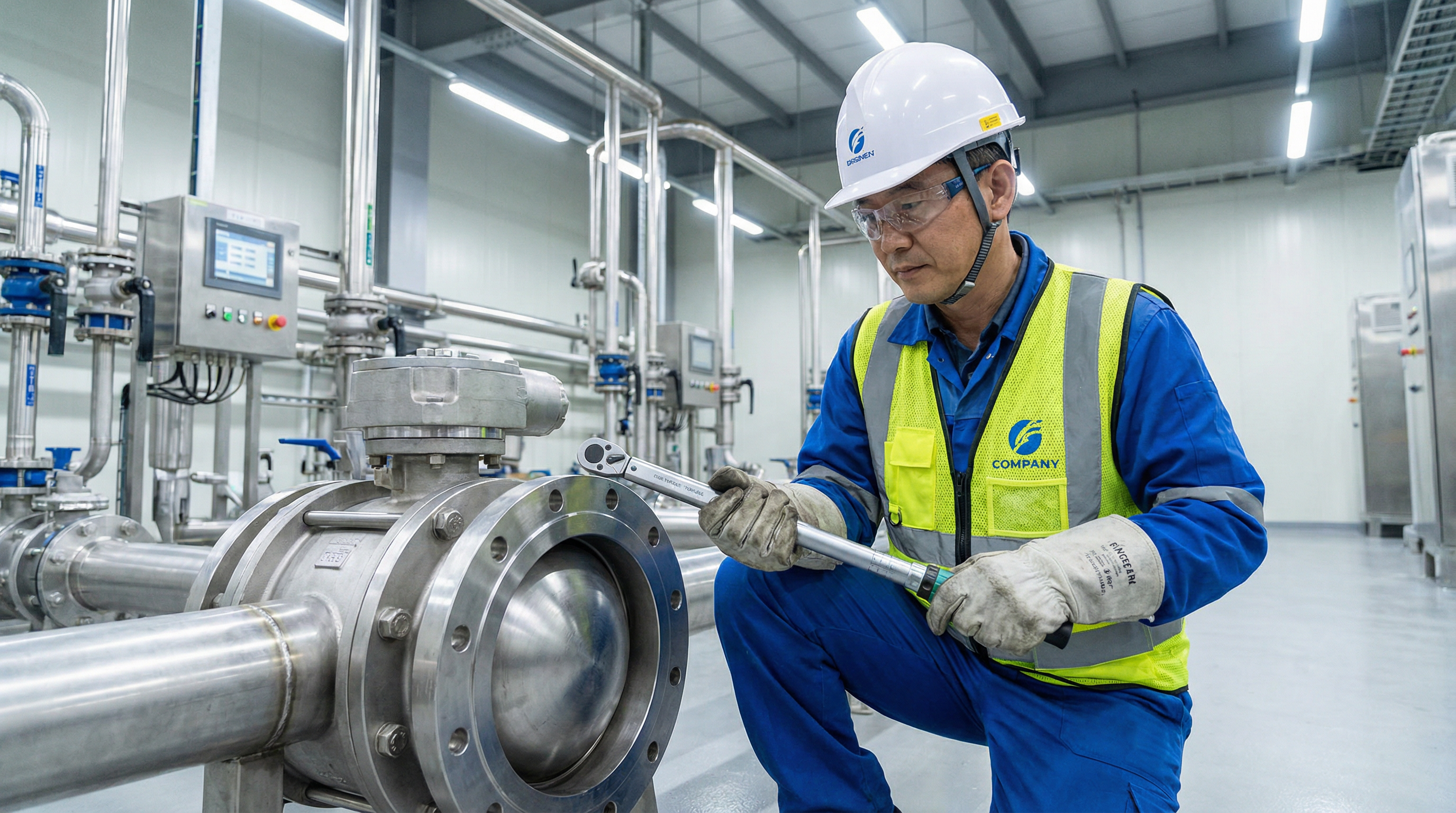
Isolate valves from pipe stress. Apply Graduated Packing Load: initially apply 60% torque, operate for 24 hours (thermal soaking), then retighten to 80% to allow proper seating without binding.
Maintenance Regimens
Implement seasonal lubrication plans (Low-Temp synthetics for winter, MoS₂ for heat). Utilize technologies like Laser Cladding to rebuild worn threads and HVOF Spraying to apply Tungsten Carbide coatings.
4. Case Studies
Case 1: The Refinery Slide Valve (FCC Unit) Problem: Frequent seizure at 500°C causing pressure fluctuations. Root Cause: Stress Corrosion Cracking (H₂S) and graphite packing hardening. Solution: Upgraded stem to Inconel 625; replaced guide with Silicon Carbide ceramic. Result: Operating torque dropped from 250N·m to 80N·m. Run life extended to 2 years. |
Case 2: The Nuclear Feedwater Valve (Low-Temp) Problem: Valve froze during winter startup (-15°C). Root Cause: 316L stem and bushing seized due to identical thermal contraction. Solution: Replaced bushing with Tin Bronze; applied aviation-grade low-temp grease. Result: Valve operates smoothly; actuation time reduced from 120s to 15s. |
Conclusion: The future of valve maintenance lies in digitization. By integrating Smart Valves with torque sensors and adhering to rigorous material selection, the industry can shift from reactive "wrenching" to proactive management, ensuring safe and efficient production.