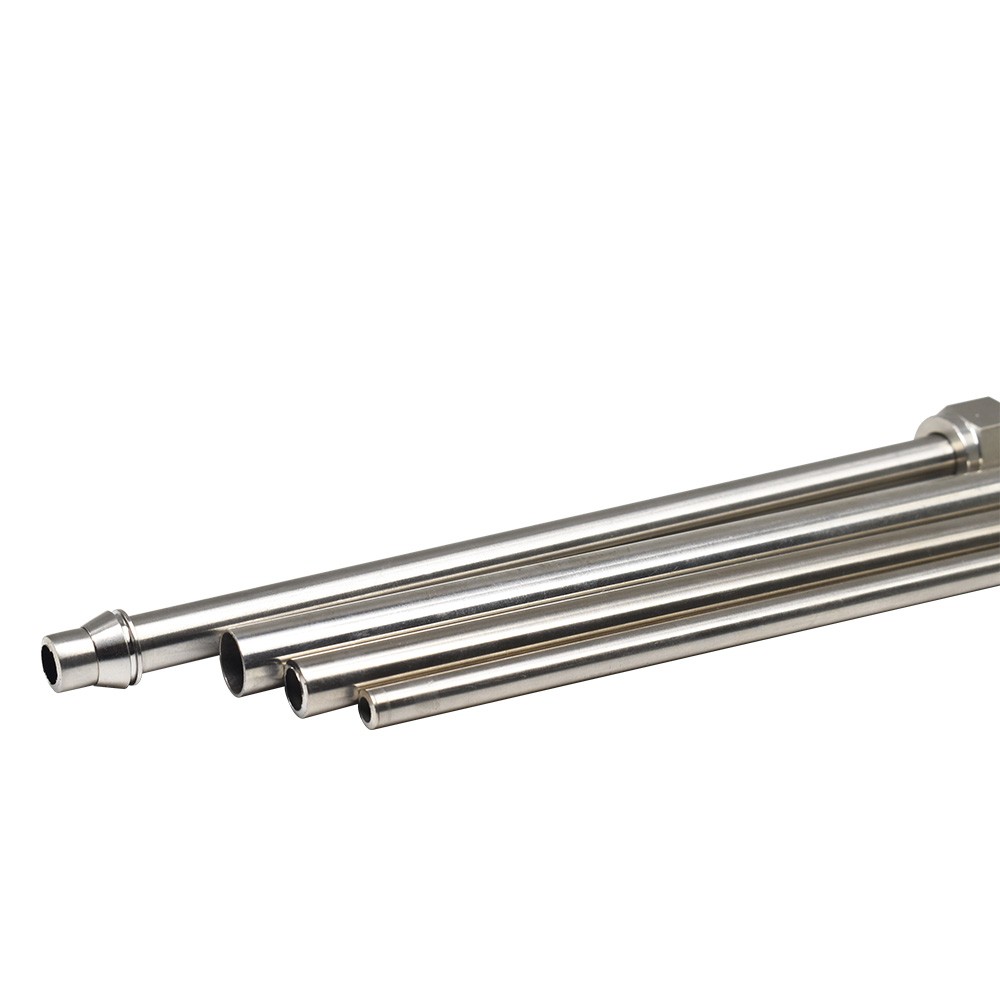
316L stainless steel is often seen as a universal solution for piping and valve applications. However, it has critical limitations. Choosing the wrong material can lead to catastrophic failures, costly downtime, and safety hazards. Understanding its boundaries is not just a recommendation; it's a necessity.
1. High-Temperature Corrosive Acids
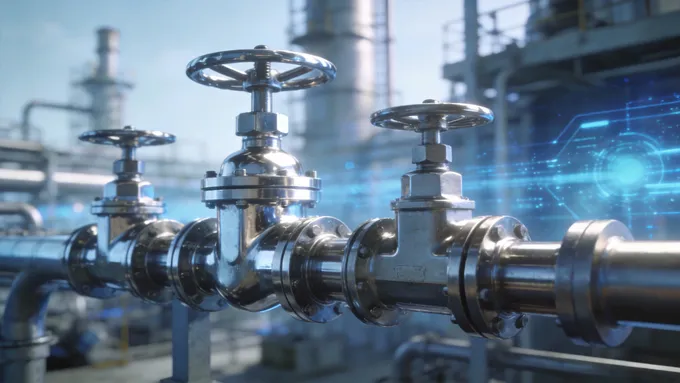
While 316L performs well in many acidic environments, its resistance plummets in high-temperature, high-concentration corrosive acids. For instance, in sulfuric acid solutions, once the temperature exceeds 85°C, the corrosion rate accelerates dramatically, rendering 316L unsuitable. In such cases, materials like Hastelloy or titanium are required.
2. Medium-Concentration Sulfuric Acid
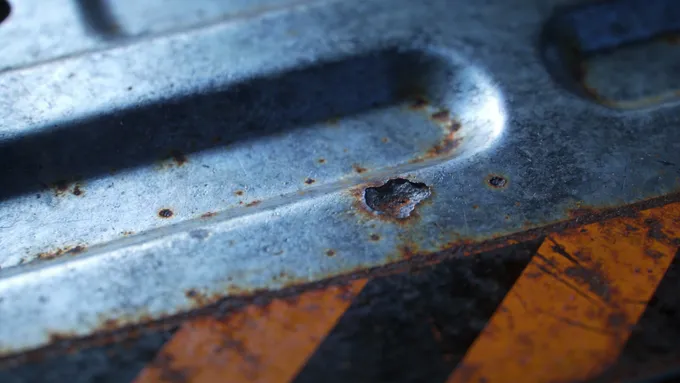
There is a specific "danger zone" for 316L in sulfuric acid. At concentrations between 15% and 85%, even at moderate temperatures, the passivation layer of 316L can be compromised, leading to rapid uniform corrosion. This concentration range is a well-known pitfall where 316L should be avoided.
3. Strong Oxidizing Media
Media with extremely strong oxidizing properties, such as high-concentration nitric acid, wet chlorine gas, or aqua regia (a mixture of nitric acid and hydrochloric acid), can aggressively attack 316L stainless steel. These environments can cause severe pitting and crevice corrosion, leading to premature failure.
4. Extreme Heat (Sensitization)
When 316L is exposed to temperatures in the range of 500°C to 600°C for prolonged periods, a phenomenon called sensitization can occur. This causes chromium carbides to precipitate at the grain boundaries, depleting chromium and making the steel highly susceptible to intergranular corrosion, especially in corrosive environments.
5. Stress Corrosion Cracking (SCC)
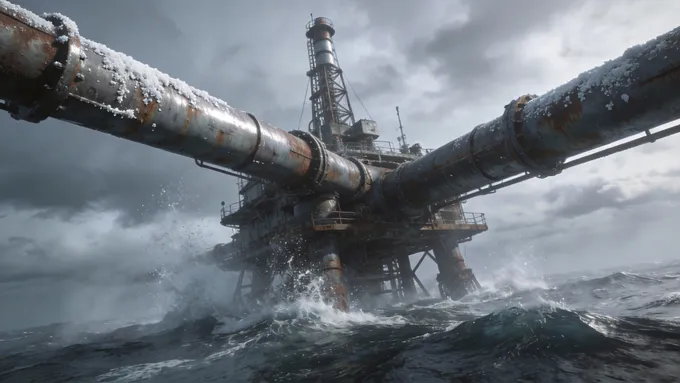
316L is particularly vulnerable to Stress Corrosion Cracking (SCC) in environments containing chlorides, especially at elevated temperatures. Even seemingly benign environments like hot water systems with trace chloride content can initiate cracking when tensile stress is present, leading to sudden, brittle failures without warning.
6. Specific Chemical Solvents
Certain organic and inorganic chemical solvents that are not typically considered highly corrosive can still pose a threat to 316L. For example, some chlorinated solvents or formic acid at certain concentrations and temperatures can initiate localized corrosion that is often overlooked during material selection.
7. Cost-Benefit Pitfall
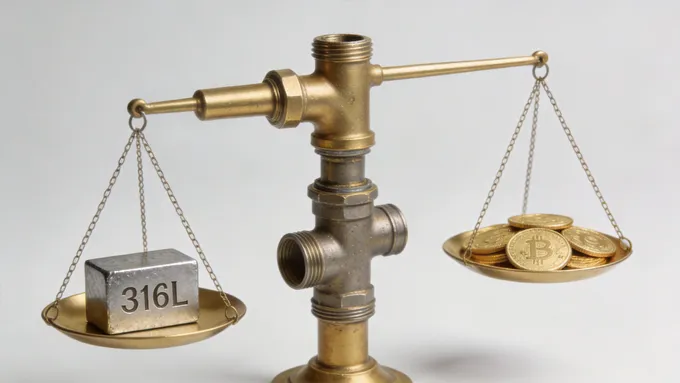
Ironically, one of the biggest risks is "over-specifying" 316L for applications where a simpler, cheaper material would suffice. In non-corrosive, low-demand systems, using 316L unnecessarily inflates project costs. A thorough cost-benefit analysis is crucial to ensure the material choice is not only technically sound but also economically viable.
Conclusion: Fit for Purpose
The key takeaway is that no material is a silver bullet. 316L is a fantastic and versatile alloy, but its selection must be deliberate and informed. Always evaluate the specific chemical composition, temperature, pressure, and stress conditions of your application. Choosing a material that is truly "fit for purpose" is the cornerstone of safe and reliable engineering.
This article provides a general overview. Always consult with a materials engineer and refer to NACE standards for specific applications.